You’ve probably heard both sides of the argument. Some women swear by wearing a sleeping bra every night for comfort and support. Others insist it’s unhealthy and should be avoided. So who’s right?
The truth, as with most things in health and wellness, sits somewhere in the middle and it depends heavily on who you are, what you’re wearing, and why you’re wearing it.
Whether you’re a new mom trying to figure out nursing bra needs, someone recovering from surgery, or simply someone who feels more comfortable with a little support while sleeping, this guide breaks it all down clearly and honestly.
Let’s dive into what experts actually say about sleeping bras and what you should know before making it a nightly habit.
What Is a Sleeping Bra?
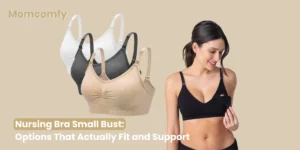
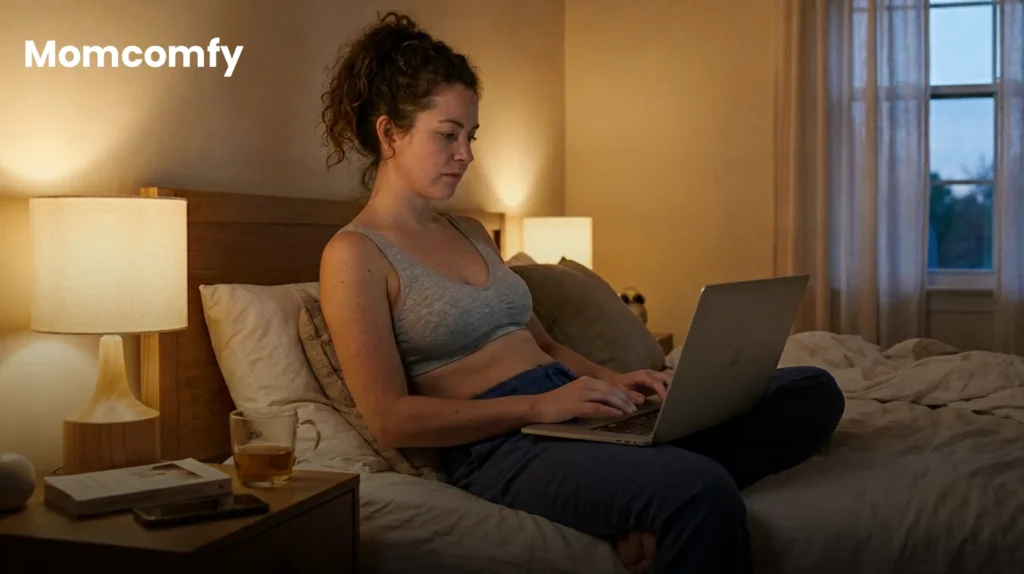
A sleeping bra (also called a sleep bra or night bra) is a soft, wireless, lightly supportive bra designed specifically for overnight wear. Unlike your everyday underwire bras, sleeping bras are made from breathable, stretchy materials like cotton, modal, or bamboo fabric.
They’re built for comfort, not structure, which is exactly the point.
Key Features of a Good Sleeping Bra
- No underwire eliminates pressure points during sleep
- Soft, breathable fabric reduces sweating and skin irritation
- Wide, elastic-free bands prevents digging into skin
- Light compression offers gentle support without restriction
- Easy front closure or pullover design convenient for nighttime use
Think of a sleeping bra like a supportive hug snug enough to feel secure, but never tight enough to be uncomfortable.
Is It Actually Safe to Wear a Sleeping Bra Every Night?
Yes, for most people as long as you choose the right type.
The long-circulated myth that wearing a bra at night causes breast cancer has been thoroughly debunked by medical research. A 2014 study published in Cancer Epidemiology, Biomarkers & Prevention found no link between bra-wearing habits and breast cancer risk.
However, experts do caution that wearing the wrong type of bra overnight can cause issues:
- Underwire bras can dig into skin and restrict circulation
- Too-tight bands may cause skin irritation or breathing discomfort
- Synthetic, non-breathable fabrics can lead to rashes or fungal growth
- Poorly fitted bras may affect lymphatic drainage over time
The takeaway? A well-fitted, wire-free sleeping bra poses minimal health risk and can actually benefit certain people significantly.
Who Should Consider Wearing a Sleeping Bra?
Not everyone needs a sleeping bra, but certain groups of people genuinely benefit from one.
1. Pregnant and Postpartum Women
During pregnancy, breasts can increase by one to two cup sizes, becoming tender and heavy. A soft maternity bra worn at night can relieve discomfort significantly.
Knowing what a maternity bra matters here, it’s a bra designed with growing breast tissue in mind, featuring wider straps, soft cups, and no underwire. Many maternity bras double as sleeping bras for exactly this reason.
2. Breastfeeding Mothers
Nursing mothers often need overnight support especially in the early weeks when milk supply is being established and leaking is common. A nursing bra with easy-open clips is ideal for nighttime use, allowing convenient feeding access without fully removing the bra.
3. Women With Larger Busts
Larger breasts naturally experience more movement and gravitational pull during sleep, which can cause discomfort, skin chafing underneath, and even back tension. A gentle sleeping bra provides the support that makes a real difference.
4. Post-Surgery Patients
Women recovering from breast augmentation, reduction, or mastectomy reconstruction are often advised by surgeons to wear a soft, supportive bra around the clock during healing, including at night.
5. Active Sleepers
If you toss and turn frequently, you may experience uncomfortable breast movement throughout the night. A sleeping bra can reduce that motion and help you sleep more soundly.
Sleeping Bra vs. Regular Bra: Why the Difference Matters
| Feature | Sleeping Bra | Regular Bra |
| Underwire | None | Usually present |
| Fabric | Soft, breathable, stretchy | Varies (often stiffer) |
| Support Level | Light to moderate | Moderate to firm |
| Closure | Front or pullover | Back hook |
| Suitable for sleep | Yes | Not recommended |
| Nursing-friendly | Often available | Rarely |
| Skin irritation risk | Low | Higher with underwire |
Types of Sleeping Bras to Know
1. Basic Sleep Bras
These are wire-free, pullover-style bras with minimal structure. They’re ideal for women who want light coverage and comfort during sleep. Brands like Bravado, Kindred Bravely, and Motherhood Maternity offer popular options.
2. Maternity Sleep Bras
Specifically designed for pregnancy, these bras accommodate rapid size changes and provide gentle lift. Understanding what is a maternity bra is key , it’s not just a bigger bra. It’s engineered for the unique needs of pregnancy with wider straps and expandable cup areas.
3. Nursing Sleep Bras
These combine sleeping bra comfort with nursing functionality. They feature easy-drop cups or clip-down panels for middle-of-the-night feeds. If you’re building your postpartum wardrobe and asking how many nursing bras will I need, plan for at least one dedicated nursing sleep bra.
4. Sports-Inspired Sleep Bras
Some women prefer maternity bra sports styles light compression bras that borrow design elements from athletic wear. These offer slightly more support than basic sleep bras and are excellent for active sleepers or women with medium to large busts.
5. Seamless Sleep Bras
Constructed without seams that could irritate skin, these are excellent for postpartum women, those with sensitive skin, or anyone prone to rashes and friction marks.
Benefits of Wearing a Sleeping Bra
Here’s what sleeping bra advocates and many medical professionals point to as genuine benefits:
- Reduced breast discomfort during sleep, especially for larger or tender busts
- Prevention of skin irritation caused by breasts resting against the body
- Support for nursing mothers managing leakage and feeding access
- Postpartum comfort as breasts adjust through milk transitions
- Peace of mind for women who simply feel more secure with support
- Reduced movement for active sleepers
Potential Drawbacks to Be Aware Of
Even the best sleeping bra can cause problems if used incorrectly. Watch out for:
- Skin irritation or rashes from non-breathable fabrics
- Restricted circulation if the bra is too tight
- Disrupted sleep if the bra is uncomfortable or ill-fitting
- Dependency some women feel anxious sleeping without one, even when no support is truly needed
- Overheating if the fabric doesn’t wick moisture effectively
The solution to nearly all of these? Fit and fabric. A properly fitted sleeping bra in a breathable material resolves most concerns.
Nursing Bra Size Chart: Finding Your Right Fit
Getting your size right is critical especially if you’re wearing a bra to sleep every night. Here’s a simplified nursing bra size chart guide:
| Pre-Pregnancy Bra Size | Likely Nursing Bra Size |
| 32A/B | 32B/C or 34A/B |
| 34B/C | 34C/D or 36B/C |
| 36C/D | 36D/DD or 38C/D |
| 38D/DD | 38DD/F or 40D/DD |
| 40D+ | 40F+ or 42D+ |
Expert Tip: Get fitted again after your milk comes in (usually 3–5 days postpartum). Your size may change once more, and wearing the wrong size overnight can cause blocked milk ducts or discomfort.
Most lactation consultants and OB-GYNs recommend getting professionally fitted at a maternity or lingerie store. Brands like Cake Maternity and Hotmilk include sizing guides on their websites as well.
What Experts Actually Recommend
So what do doctors, lactation consultants, and sleep specialists say?
OB-GYNs and Midwives generally support wearing soft, wireless bras overnight during pregnancy and the postpartum period. They emphasize proper fit and breathable materials.
Lactation Consultants often recommend nursing sleep bras to help mothers manage leaking and maintain easier nighttime feeding. They also caution against bras that are too tight, which can contribute to mastitis (a painful breast infection) by potentially restricting milk ducts.
Dermatologists advise choosing natural, moisture-wicking fabrics to prevent skin concerns like intertrigo (rash under the breasts) which ironically can be caused by NOT wearing a bra in some women with larger busts.
Sleep Specialists have no blanket objection to sleeping bras as long as they don’t disrupt sleep quality or create discomfort.
Best Practices: How to Wear a Sleeping Bra Safely
Follow these expert-backed tips to make the most of your sleep bra routine:
- Choose wire-free always underwire is never appropriate for overnight wear
- Prioritize breathable fabric cotton, bamboo, or modal are top choices
- Get fitted properly especially after pregnancy or significant weight changes
- Replace regularly worn-out elastic loses support and may create uneven pressure
- Wash frequently sleeping bras absorb sweat and should be washed every 1–2 wears
- Listen to your body if you wake up with marks, redness, or discomfort, reassess your fit or style
- Alternate bras rotate between 2–3 sleep bras to extend their lifespan and hygiene
Emerging Trends in Sleep Bra Design
The sleeping bra market is evolving rapidly in response to consumer demand for comfort-first intimates.
- Sustainable fabrics like organic cotton and bamboo are now industry standards in premium lines
- Smart bras with moisture sensors and temperature regulation are in early development
- Inclusive sizing has expanded dramatically many brands now offer sizes through 4XL or 46G+
- Postpartum-specific lines that bridge maternity, nursing, and sleep categories are growing
- Seamless 3D-knit technology is producing bras with virtually zero irritation points
Brands like ThirdLove, Kindred Bravely, and Bravado Designs are leading this innovation charge, making it easier than ever to find a sleep bra that works beautifully for your body.
Conclusion: Sleep Comfortably, Support Wisely
Wearing a sleeping bra every night is safe for most women and genuinely beneficial for many. The key lies in choosing the right type, ensuring a proper fit, and using breathable, skin-friendly fabrics.
Whether you’re navigating the tender months of pregnancy, managing nighttime nursing with the right nursing bra, using a maternity bra sports style for better compression, or simply wanting overnight comfort, there’s a sleep bra designed for your needs.
Don’t let outdated myths keep you up at night literally. The right sleep bra can make your nights more comfortable, your mornings less painful, and your postpartum journey a little smoother.
Ready to find your perfect sleep bra?
Browse expert-recommended collections from trusted maternity and intimate brands and use the nursing bra size chart above to start your fitting journey with confidence.
👉 Shop Now for the best-rated sleeping bras and nursing bras trusted by moms and experts alike.
Frequently Asked Questions (FAQ)
1. Can wearing a sleeping bra every night cause breast sagging?
No scientific evidence supports the idea that not wearing a bra causes sagging, or that wearing one prevents it. Sagging is primarily influenced by genetics, age, pregnancy, and significant weight changes. A sleeping bra won’t prevent or accelerate this process; it simply offers comfort.
2. What is a maternity bra, and can I use it as a sleeping bra?
A maternity bra is a wire-free, supportive bra designed for pregnant and nursing women. Many maternity bras are soft and comfortable enough to double as sleeping bras making them a practical two-in-one investment during pregnancy and postpartum.
3. How many nursing bras will I need in total?
Most lactation consultants recommend 3 to 5 nursing bras including at least one soft nursing sleep bra for overnight use. Having enough to rotate through washes is important for hygiene and bra longevity.
4. Can sleeping in a bra cause blocked milk ducts?
Yes! but only if the bra is too tight or has underwire that presses against breast tissue. A properly fitted, wire-free nursing sleep bra does not cause blocked ducts and is generally safe and comfortable for breastfeeding mothers.
5. What’s the best fabric for a sleeping bra?
Breathable, natural fabrics are best for overnight wear. Cotton is the most accessible, bamboo is softer and more moisture-wicking, and modal is exceptionally smooth and breathable. Avoid synthetic-only fabrics that trap heat and moisture during sleep.