If you are packing your hospital bag, building a baby registry, or standing in front of your drawer wondering how many nursing bras you really need, you are not alone. Pregnancy and breastfeeding come with enough new decisions, and bras can feel confusing fast. You may also be asking when to buy maternity bras, whether nursing bras are necessary, and whether you can simply use soft regular bras instead.
The simple answer is this: most breastfeeding parents need 3 to 5 nursing bras to start. That gives you enough for daily wear, washing, leaks, night comfort, and backup without overbuying before your size settles.
What Is a Nursing Bra and How Is It Different?
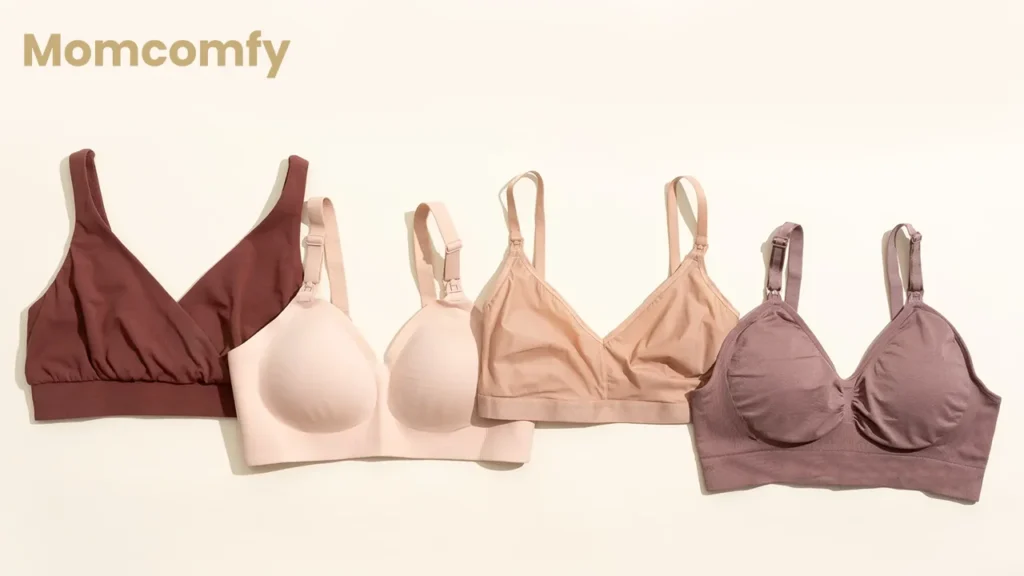
A nursing bra is designed to support changing breasts while making breastfeeding or pumping easier. Unlike a regular bra, it usually has clips, pull-down cups, crossover panels, or stretchy access points so you can feed your baby without fully undressing.
The main difference is function. A regular bra supports the breast. A nursing bra supports the breast and gives quick feeding access.
Good nursing bras usually include:
- Soft, flexible fabric
- Wider straps
- Extra hook-and-eye rows
- Easy cup access
- Room for breast pads
- Gentle support without digging
- Stretch that handles size changes
During late pregnancy and the early postpartum weeks, your breasts can feel fuller, heavier, tender, or unpredictable. Some parents also experience leaking before or after birth. A bra that felt comfortable before pregnancy may suddenly feel tight, stiff, or hard to manage during feeds.
That is why the question is not just “how many nursing bras should I buy?” It is really about comfort, laundry rhythm, body changes, and how often you plan to breastfeed or pump.
For most people, starting with 3 to 5 nursing bras is the smartest number. You can always buy more once you know what style fits your body and routine.
Why the Right Number of Nursing Bras Matters
The right number of nursing bras makes daily life easier. Too few bras mean constant laundry, wearing damp fabric after leaks, or reaching for uncomfortable regular bras. Too many bras mean spending money before your size, milk supply, and feeding routine have settled.
Here is a practical breakdown:
- 3 nursing bras work for minimalists, combo-feeding parents, or people who do laundry often.
- 4 nursing bras are the best starting point for most new parents.
- 5 nursing bras are ideal if you leak often, sweat more, pump regularly, or prefer fewer laundry days.
- 6 or more nursing bras can help if you breastfeed full-time, return to work, exercise, or want separate day, night, and pumping styles.
A real-world example makes this clearer.
Imagine a new parent named Sara. She buys two nursing bras before birth because she wants to keep things simple. By week two, she is feeding every few hours, leaking overnight, and doing laundry constantly. One bra is in the wash, one is drying, and the one she is wearing feels stretched out. She ends up ordering more in a rush.
Now compare that with someone who starts with four: two everyday bras, one sleep bra, and one backup. That small difference creates breathing room. There is always one clean option available, even when laundry gets delayed.
Nursing bras are not just about convenience. They affect how comfortable you feel during long feeding days, broken sleep, body changes, and recovery. A soft, accessible bra can make feeding smoother, especially when you are tired or holding a hungry baby.
How Many Nursing Bras Should You Buy? A Practical Formula
The easiest way to decide how many nursing bras to buy is to think in categories instead of buying the same bra five times.
A balanced starter set looks like this:
1. Two Everyday Nursing Bras
These are your main daytime bras. Choose soft, breathable, supportive bras that you can wear around the house, on errands, or under regular clothes.
Look for adjustable straps and multiple back hooks. Your ribcage and breast size can shift during late pregnancy and after birth, so flexibility matters.
Best for:
- Daily wear
- Visitors and errands
- Casual outfits
- Light support during active days
2. One Sleep Nursing Bra
A sleep bra is softer and less structured than a daytime nursing bra. It usually has crossover cups or stretchy panels instead of clips.
This is especially useful in the early weeks when feeds happen around the clock. If you use breast pads for leaking, a sleep bra helps keep them in place.
Best for:
- Overnight feeding
- Lounging
- Early postpartum recovery
- Light support without pressure
3. One Backup Nursing Bra
This is your emergency bra. It saves you when one bra gets leaked on, one is in the wash, and one is still drying.
New parents quickly learn that laundry does not always happen on schedule. A backup nursing bra prevents stress when your routine gets unpredictable.
Best for:
- Leaks
- Delayed laundry
- Hospital bag backup
- Travel or diaper bag storage
4. Optional: One Pumping or Hands-Free Bra
If you plan to pump often, a pumping bra can be worth adding. Some bras combine nursing and pumping access, which can reduce the number of separate bras you need.
A hands-free pumping bra holds pump flanges in place, making it easier to use your phone, eat, work, or care for your baby while pumping.
Best for:
- Returning to work
- Exclusive pumping
- Building a freezer stash
- Regular pumping sessions
So, how many nursing bras should you start with? For most people, the best answer is four: two everyday bras, one sleep bra, and one backup. Add a pumping bra if pumping will be part of your routine.
When to Buy Maternity Bra Options, and Are Nursing Bras Necessary?
Many parents ask two questions at the same time: when to buy maternity bra styles, and are nursing bras necessary?
The best time to buy your first maternity bra is when your regular bras start feeling tight, usually during pregnancy when your breasts and ribcage begin changing. This can happen in the first trimester for some people and later for others.
For nursing bras, the best time to buy a small starter set is usually in the last few weeks of pregnancy. Buying too early can lead to sizing problems because your body may still change before and after birth. Buying too late can leave you scrambling when your baby arrives.
A smart timeline looks like this:
- Early pregnancy: Switch to soft maternity bras if regular bras feel tight.
- Second trimester: Buy comfortable, stretchy bras if your size changes.
- Around 36 to 38 weeks: Buy 2 to 4 nursing bras for your hospital bag and early postpartum.
- Two to four weeks after birth: Recheck your size and buy more if needed.
Now, are nursing bras necessary? Not always, but they are extremely helpful for most breastfeeding parents.
You can breastfeed without a nursing bra. Some people use soft bralettes, camisoles, or stretchy sports bras. However, the purpose of nursing bras is to facilitate easier and more comfortable feeding. When you are feeding a newborn several times a day and night, that convenience matters.
Nursing bras are especially useful if you:
- Breastfeed often
- Leak milk
- Use breast pads
- Want one-handed feeding access
- Need more support than a camisole offers
- Plan to pump
- Feel uncomfortable in regular bras postpartum
The key is not to overbuy before birth. Start with a small, useful set. Then adjust based on your real feeding routine.
Common Mistakes to Avoid When Buying Nursing Bras
Buying nursing bras sounds simple until you realize your body is changing, your milk supply is adjusting, and every brand fits differently. These common mistakes can lead to discomfort or wasted money.
Buying Too Many Before Birth
It is tempting to stock up before the baby arrives, especially if you like feeling prepared. But your size can change after delivery, especially once milk comes in.
Purchase enough to last the first few weeks, then it is safer to start with a set of 3 to 5 nursing bras rather than purchasing eight in the same size too soon.
Choosing Style Over Comfort
A pretty bra that digs into your ribs, squeezes your breast tissue, or feels stiff will not become your favorite. Comfort is more important in the early postpartum period than details, lace, or shaping.
Choose bras that feel soft, flexible, and easy to open. You can add more stylish options later once your size settles.
Ignoring Nighttime Support
Many parents focus only on daytime bras and forget nights. But overnight leaking and frequent feeds are common in the early weeks.
Breast pads can be gently supported and held in place with a soft sleep nursing bra that doesn’t feel constrictive.
Buying Bras That Are Too Tight
A tight nursing bra can feel irritating, especially when breasts are full. Avoid bras that leave deep marks, compress your chest, or make feeding access awkward.
Your nursing bra should support you without squeezing. If you are between sizes, choose the more flexible option.
Forgetting About Laundry
Milk leaks, spit-up, sweat, and baby messes are part of the routine. If you only own two nursing bras, you may feel like you are always washing one and waiting for the other to dry.
This is why four is such a practical starting number. It gives you enough rotation without cluttering your drawer.
Best Practices for Choosing Nursing Bras That Actually Work
The best nursing bra is not the most expensive one. You keep reaching for it because it fits, feels good, and complements your feeding schedule.
Choose Different Bras for Different Moments
One bra does not have to do everything. A stronger daytime bra may feel great under clothes but is too structured for sleep. A sleep bra may feel amazing at night but be too light for errands.
Build a small mix:
- Everyday nursing bras for daytime
- Sleep bras for night feeds
- Pumping bras if needed
- Supportive bras for walks or light activity
This approach helps you avoid discomfort and makes your bra drawer more useful.
Prioritize Adjustability
Look for adjustable straps, stretchy cups, and multiple band settings. Your ribcage and breast size can shift during pregnancy, postpartum recovery, and breastfeeding.
Adjustability gives the bra a longer life.
Make Sure Feeding Access Is Easy
Try opening and closing the clip or cup with one hand. In real life, you may be holding your baby with the other arm.
If the bra is hard to open, rolls down awkwardly, or exposes more than you want, it may frustrate you during feeds.
Leave Room for Breast Pads
If you plan to use disposable or washable breast pads, make sure the cups have enough space. A bra that fits perfectly without pads may feel too tight once pads are added.
This matters most in the early weeks when leaking can be more frequent.
Recheck Fit After Birth
Your nursing bra size before birth may not be your long-term size. After your milk supply settles, you may need a different band, cup, or style.
Instead of treating your first purchase as final, treat it as a starter kit. Buy what you need now, then refine later.
Think About Your Lifestyle
A stay-at-home parent, an exclusive pumper, a working parent, and someone who combo feeds may all need different bra setups.
Ask yourself:
- Will I pump daily?
- Will I wear nursing bras to work?
- Do I leak often?
- Do I do laundry every day or twice a week?
- Do I need more support for a larger bust?
- Do I prefer clips, crossover cups, or pull-down styles?
Your answers matter more than a one-size-fits-all rule.
Conclusion
So, how many nursing bras do you actually need? Start with 3 to 5 nursing bras, with four being the best number for most new parents: two everyday bras, one sleep bra, and one backup. Add a pumping bra if pumping is part of your routine, and buy more only after you know what fits your body and lifestyle.
Do not overthink it, and do not overbuy too early. Choose comfort, flexibility, easy access for feeding, and a simple laundry rotation. Build your starter set now, then adjust with confidence once your baby arrives.
Frequently Asked Questions
How many nursing bras do I need for the hospital bag?
Pack 2 nursing bras in your hospital bag: one to wear and one backup. Choose soft, stretchy styles because comfort matters more than structure immediately after birth. If you expect a longer stay, add one extra sleep-style nursing bra.
How many nursing bras should I own if I breastfeed full-time?
If you breastfeed full-time, 4 to 6 nursing bras usually work well. This gives you enough for daytime wear, nighttime comfort, leaks, and laundry rotation. The exact answer to how many nursing bras you need depends on how often you wash clothes and whether you also pump.
Can I wear regular bras while breastfeeding?
Yes, you can wear regular bras while breastfeeding, but they are often less convenient. Regular bras may be harder to move aside and may not offer comfortable access for frequent feeds. Nursing bras make feeding easier because they are built for quick opening, softer support, and body changes.
When to buy maternity bra styles, and are nursing bras necessary before birth?
Buy maternity bras when your regular bras feel tight, and buy nursing bras near the end of pregnancy so you are ready for early feeds. If you are asking when to buy maternity bra options, focus first on comfort during pregnancy, then choose nursing access closer to delivery. Nursing bras are not required before birth, but having a few ready can make the first days easier.
Do I need different nursing bras for day and night?
Yes, most parents benefit from different nursing bras for day and night. Day bras offer more support and shape, while sleep bras are softer and easier to wear during overnight feeds. Having both styles also helps you avoid wearing one bra constantly.